Genentech Logo
Banner Image

BioOncology Glossary

Printer Friendly VersionPrinter Friendly Version

BioOncology Glossary of Terms adjuvant therapy: Treatment given after the primary therapy, usually surgery. Adjuvant therapy for cancer may include immune therapy, chemotherapy, radiation therapy or hormone therapy.

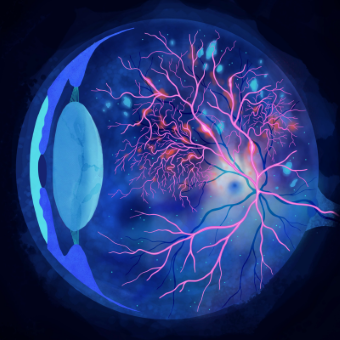
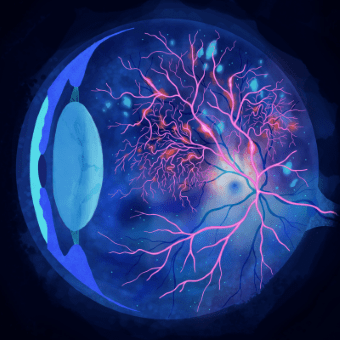
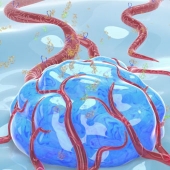
angiogenesis: Blood vessel formation. Angiogenesis that occurs in cancer is the growth of blood vessels from surrounding tissue to a solid tumor. This is caused by the release of chemicals by the tumor.

angiogenesis inhibitor: A substance that may prevent the formation of blood vessels. In anti-cancer therapy, an angiogenesis inhibitor prevents the growth of blood vessels from surrounding tissue to a solid tumor.

anti-angiogenesis: Prevention of the growth of new blood vessels.

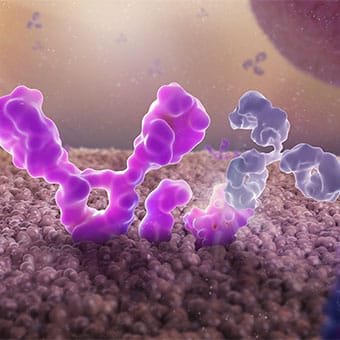
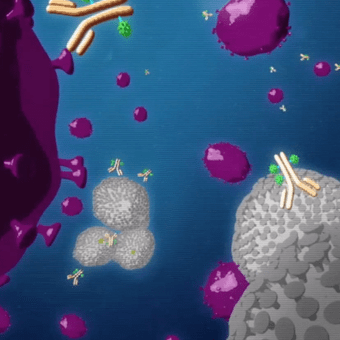
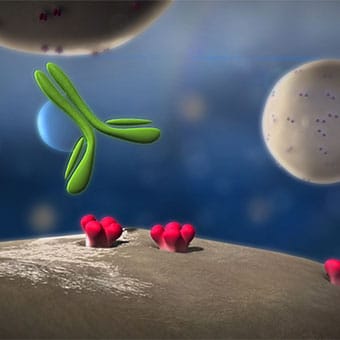
antibody therapy: Treatment with an antibody, a substance that can directly kill specific tumor cells or stimulate the immune system to kill tumor cells.

antigens: Substances that cause the immune system to make a specific immune response. An example would be a murine antibody, which is derived solely from mouse proteins and therefore is viewed as foreign by the host body.

apoptosis: A normal series of events in a cell that leads to its death.

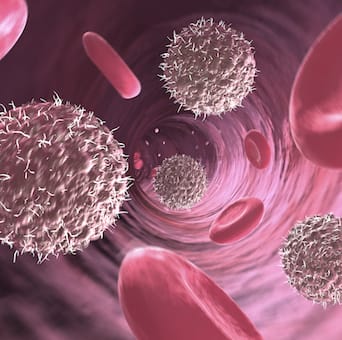
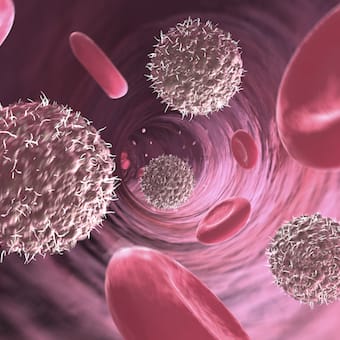
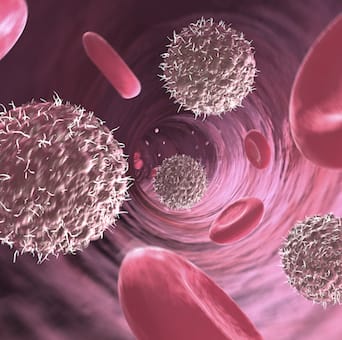
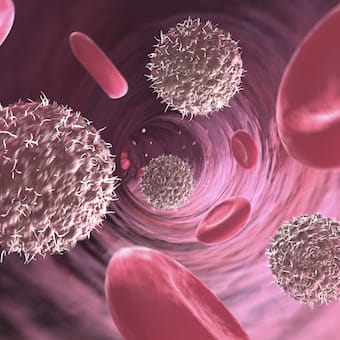
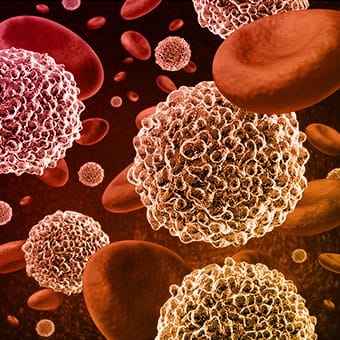
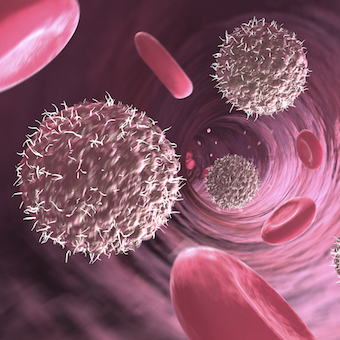
B-cells/B lymphocytes: White blood cells that make antibodies and are an important part of the immune system.

bone marrow: The soft, sponge-like tissue in the center of bones that produces white blood cells, red blood cells, and platelets.

bone marrow toxicity: The destruction of bone marrow using radiation or drugs.

breast cancer: A malignant tumor that has developed from cells in the breast. It is the most common form of cancer in women and is the second-leading cause of cancer death in women, exceeded only by lung cancer.

chimeric antibody: Refers to the fact that the antibody is made of both mouse and human antibodies, usually a 30/70 percent split, respectively.

colon: The long, coiled, tube-like organ that removes water from digested food. The colon separates nutrients and waste from food and stores the latter until it can be passed from the body.

colorectal cancer: A disease in which malignant (cancer) cells are found in the colon or rectum.

combination therapy: Treatment using more than one anti-cancer drug.

complete remission: The disappearance of all detectable signs of cancer. Also called a complete response.

complete response: The disappearance of all detectable signs of cancer in response to treatment. This does not mean the cancer has been cured.

concurrent therapy: A treatment that is given at the same time as another.

consolidation therapy: Chemotherapy treatments given after induction chemotherapy to further reduce the number of cancer cells.

disease progression: Cancer that continues to grow or spread.

disease-free survival: Length of time after treatment during which no cancer is found. Can be reported for an individual patient or for a study population. It is often used as a clinical endpoint in adjuvant studies.

duration of response: Refers to the length of time between anticancer treatments where a patient's cancer shrinks, disappears or remains stable.

EGFR: Epidermal growth factor receptor. The protein found on the surface of some cells and to which epidermal growth factor binds, causing the cells to divide. It is found at abnormally high levels on the surface of many types of cancer cells, so these cells may divide excessively in the presence of epidermal growth factor. Also known as ErbB1 or HER1.

extensive-stage small cell lung cancer: Cancer that has spread outside the lung to other tissues in the chest or to other parts of the body.

first-line therapy: The first therapy given in the treatment for cancer.

Fast Track status: Under the FDA Modernization Act of 1997, the Fast Track Program of the FDA is designed to facilitate the development and expedite the review of a new drug that is intended for the treatment of a serious or life-threatening condition, and demonstrates the potential, of a drug candidate, to address unmet medical needs for such a condition.

growth factors: Substances made by the body that function to regulate cell division and cell survival. Some growth factors are also produced in the laboratory and used in biological therapy.

HER1 (human epidermal growth factor receptor-1): See definition of EGRF.

HER2 (human epidermal growth factor receptor-2): HER2 is one of more than 100,000 genes present in every cell of the human body involved in this process. The HER2 gene is responsible for making HER2 protein. When two copies of the gene are present in normal amounts, the protein plays an important role in normal cell growth and development.

HER2 overexpression: A genetic alteration in the HER2 gene that produces an increased amount of the growth factor receptor protein on the tumor cell surface, causing cells to divide, multiply and grow more rapidly than normal. Women whose tumors overexpress the HER2 protein are likely to have a more aggressive type of breast cancer with a poorer prognosis, shorter time to disease progression, increased relapse rate, shortened survival and disease that is not as responsive to standard therapies, including certain chemotherapy regimens.

HER2 tumor marker test: Detects overproduction of HER2 protein and/or gene amplification, both of which contribute to aggressive growth of the cancer and its spread to other parts of the body. HER2 overexpression occurs in approximately 25 percent of women with breast cancer.

humanized antibody: The antibody contains over 90 percent human material.

immune response: The activity of the immune system against foreign substances (antigens). This type of response can occur when a mouse or murine antibody is administered.

induction therapy: Treatment designed to be used as a first step toward shrinking the cancer and in evaluating response to drugs and other agents. Induction therapy is followed by additional therapy to eliminate whatever cancer remains.

irreversible toxicity: Side effects that are caused by toxic substances or something harmful to the body and do not go away.

limited-stage small cell lung cancer: Cancer found in one lung and in nearby lymph nodes.

maintenance therapy: Treatment that is given to help a primary (original) treatment continue to work. Maintenance therapy is often given to help keep cancer in remission or prolong a response to a specific therapy.

median survival: Median survival is the time at which half of the patients enrolled in the study are still alive.

metastasis: The spread of cancer from one part of the body to another. Tumors formed from cells that have spread are called "secondary tumors" and contain cells that are like those in the original (primary) tumor. The plural is metastases.
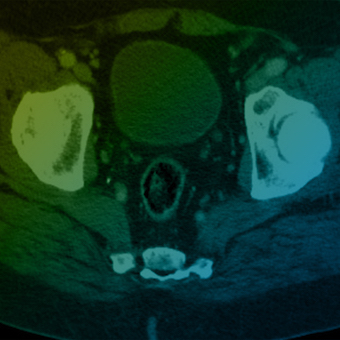
metastasize: To spread from one part of the body to another. When cancer cells metastasize and form secondary tumors, the cells in the metastatic tumor are like those in the original (primary) tumor.

murine (mouse) antibody: The antibody is derived solely from mouse proteins and is viewed as foreign by the host body.

neo adjuvant: Initial treatment which is not the primary therapy, for instance chemotherapy or radiation prior to surgery. Often administered in instances of locally advanced disease in the hope that the size of the tumor is reduced in order that it might be surgically removed.

New Drug Application (NDA): The vehicle through which drug sponsors formally propose that the U.S. Food and Drug Administration approve a new pharmaceutical for sale and marketing. The data gathered during pre-clinical studies and clinical trials, as well as manufacturing specifications of an Investigational New Drug are part of the NDA filing.

non-Hodgkin's lymphoma: A group of cancers of the lymphoid system, including acute lymphoblastic leukemia, B-cell lymphoma, Burkitt's lymphoma, diffuse cell lymphoma, follicular lymphoma, immunoblastic large cell lymphoma, lymphoblastic lymphoma, mantle cell lymphoma, mycosis fungoides, post-transplantation lymphoproliferative disorder, small non-cleaved cell lymphoma, and T-cell lymphoma.

non-small cell lung cancer: A group of lung cancers that includes squamous cell carcinoma, adenocarcinoma and large cell carcinoma.

overall survival (OS): Overall survival, also called survival rate, is the percentage of patients in a study who have survived for a defined period of time.

partial response: A decrease in the size of a tumor, or in the extent of cancer in the body has regressed by more than 50 percent in response to anticancer treatment.

Pilot 1: Under the FDA's Continuous Marketing Approval program, the Pilot 1 program allows applicants submitting New Drug Applications (NDAs) to submit portions of their marketing applications (reviewable units) before submitting the complete marketing application. The FDA has agreed to complete reviews of these reviewable units within a specified period of time and to provide early feedback for the pre-submissions. Pilot 1 also will evaluate the benefits and costs of providing applicants with such early review feedback.

Pivotal trial: A controlled trial to evaluate the safety and efficacy of a drug in patients who have the disease or condition to be treated. These trials usually represent the most rigorous demonstration of the therapeutic's efficacy and safety, and are the basis for the NDA filing with the FDA.

Priority Review: Is a designation for an application after it has been submitted to the FDA for review for approval of a marketing claim. Under the Food and Drug Administration Modernization Act (FDAMA), reviews for New Drug Applications are designated as either Standard or Priority. A Standard designation sets the target date for completing all aspects of a review and the FDA taking an action on the application (approve or not approve) at 10 months after the date it was filed. A Priority designation sets the target date for the FDA action at six months. A Priority designation is intended for those products that address unmet medical needs.

placebo-controlled: Refers to a clinical study in which the "control" patients receive a placebo. The experience of the control group of patients is compared with that of patients who received the investigational drug to determine the safety and efficacy of the therapy being studied.

Progressive disease: Progressive disease is defined in clinical trials as tumor growth of more than 20 percent since treatment began. Tumor growth means that the tumor is getting bigger, but it may also mean that the tumor is spreading. Progression generally indicates that treatment has stopped working. The bottom line is that your cancer is getting worse.

progression-free survival (PFS): The length of time during and after treatment when a patient's disease does not worsen. PFS may be used in a clinical study or trial to help find out how well a new treatment works.

radioimmunotherapy: Treatment with a radioactive substance that is linked to an antibody, usually a mouse antibody.

radioisotope: An unstable element that releases radiation as it breaks down. Radioisotopes can be used in imaging tests or as a treatment for cancer.

radiolabeled: Any compound that has been joined with a radioactive substance.

radiotherapy: The use of high-energy radiation from x-rays, neutrons, and other sources to kill cancer cells and shrink tumors. Radiation may come from a machine outside the body (external-beam radiation therapy) or from materials called radioisotopes. Radioisotopes produce radiation and can be placed in or near the tumor or in the area near cancer cells. This type of radiation treatment is called internal radiation therapy, implant radiation, interstitial radiation, or brachytherapy. Systemic radiation therapy uses a radioactive substance, such as a radiolabeled antibody, that circulates throughout the body. Radiotherapy is also called radiation therapy, irradiation and x-ray therapy.

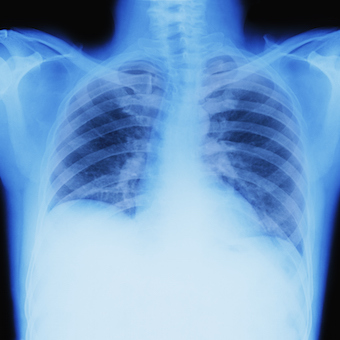
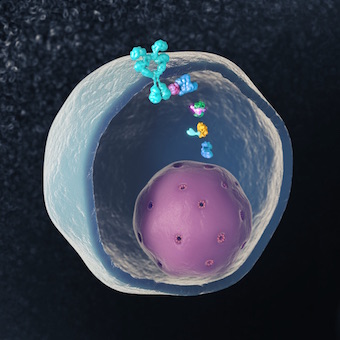
recurrence: The return of cancer, at the same site as the original (primary) tumor or in another location, after the tumor had disappeared.

refractory: Cancer that has not responded to treatment.

relapse: The return of signs and symptoms of cancer after a period of improvement.

response rate: The percentage of patients whose cancer shrinks more than 50 percent or disappears after treatment.

retreatment: Refers to the ability for a patient to receive the same therapy more than once for his/her cancer.

second-line treatment: Treatment that is given after the cancer has not responded to a first course of therapy or a patient ceases first-line of therapy.

salvage therapy: Treatment that is given after the cancer has not responded to other treatments.

small cell lung cancer: A type of lung cancer in which the cells appear small and round when viewed under the microscope.

squamous cell carcinoma: Cancer that begins in squamous cells, which are thin, flat cells resembling fish scales. Squamous cells are found in the tissue that forms the surface of the skin, the lining of the hollow organs of the body, and the passages of the respiratory and digestive tracts.

squamous cells: Flat cells that look like fish scales under a microscope. These cells cover internal and external surfaces of the body.

stable disease: A tumor may shrink, but not enough to be categorized as a partial response (that is, tumor reduction greater than 50 percent). Or a tumor may increase in size, but not enough to be considered a progressive disease (that is, tumor growth greater than 20 percent). Such tumors, in which there is no significant change in size, are classified as stable disease.

stage IIB NSCLC: Cancer has spread to structures near the lung; to the lymph nodes in the area that separates the two lungs (mediastinum); or to the lymph nodes on the other side of the chest, or in the lower neck. Stage III is further divided into stage IIIA (usually can be resected and is sometimes treated with surgery) and stage IIIB (usually cannot be resected and is rarely treated with surgery).

stage IV NSCLC: Cancer has spread to other parts of the body or to another lobe of the lungs.

standard therapy: A currently accepted and widely used treatment for a certain type of cancer, based on the results of past research.

symptom deterioration: A deterioration of heath status requiring discontinuation of treatment without objective evidence of disease progression.

targeted therapy: A type of treatment that uses drugs or other substances to identify and attack specific cancer cells while limiting affect on normal cells.

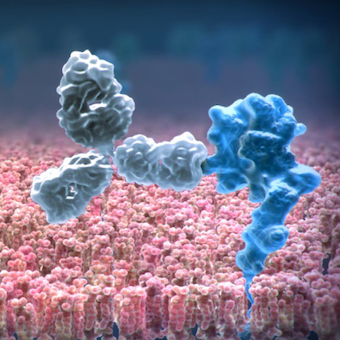
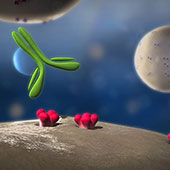
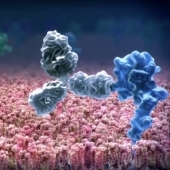
therapeutic antibodies: Laboratory-produced substances that can locate and bind to specific cancer cells wherever they are in the body. Many therapeutic antibodies are use in cancer detection or therapy; each one recognizes a different protein on certain cancer cells. Therapeutic antibodies can be used alone, in combination with other therapies, or they can be used to deliver drugs, toxins, or radioactive material.

third-line treatment: Treatment that is given after the cancer has not responded to a second course of therapy or a patient ceases second-line of therapy.

tumor marker testing: Tumor marker testing includes a variety of tests for breast cancer that can be performed on cells of a tissue sample from a newly biopsied or stored tumor, providing the patient and oncologist with vital information about the tumor at the cellular level and expanding traditional pathology reports based primarily on tumor size, appearance and staging of the disease.

tyrosine kinase activity: A large group of enzymes important in cell growth, differentiation and development.

VEGF (vascular endothelial growth factor): A protein that is secreted by oxygen-deprived cells, such as cancerous cells. VEGF stimulates new blood vessel formation, or angiogenesis, by binding to specific receptors on nearby blood vessels, encouraging new blood vessels to form.

Statistical Terms absolute risk reduction/increase (or risk difference): One way of comparing risk between groups; obtained by subtracting one risk from another.

confidence interval: A range of plausible values that would likely contain the real effect of a treatment if the study was conducted multiple times, based on data from a study.

hazard ratio: A summary of the difference between two survival curves, representing the reduction in the risk of death on treatment compared to the control. It is also used to calculate the degree of improvement in the trial's endpoint (e.g., overall survival [OS], PFS) over the course of the entire study.

Kaplan-Meier curve: Graphical display of the estimates (based on Kaplan-Meier methodology) of the probability of survival, or not experiencing a particular event such as disease progression, at any time over the period of study.

mean: The average value in a set of measurements. The mean is the sum of a set of numbers divided by how many numbers are in the set.

median: The middle value in a group of observations at which half the values are above and below this number.

p-value: A measure of probability that a difference between groups during an experiment happened by chance. For example, a p-value of 0.01 (p=0.01) means that there is a 1 in 100 chance the result occurred by chance. The lower the p-value, the more likely it is that the difference between groups was caused by treatment.

relative risk: One way of comparing risk between groups; obtained by dividing one risk from another. For example, a relative risk of 0.5 in the experimental group means relative to a control group indicates that the risk of an event in the experimental group was half of that in the control group. Conversely, a relative risk of 1.5 in the experimental group indicates that the risk was 50% higher than in the control group.

retrospective study: A study that compares two groups of people: those with the disease or condition under study and a very similar group of people who do not have the disease or condition. Researchers study the medical and lifestyle histories of the people in each group to learn what factors may be associated with the disease or condition. Also called a case-control study.

risk: The probability of an event occurring during a defined period of time (e.g., during a one-year study).

Frequently Asked Questions

  1. What is the difference between a mean and a median?
    The mean is the average value of a group of observations. The middle value in a group of observations at which half the values are above and below this number.

  2. What is a hazard ratio?
    A hazard ratio is the summary of the difference between two survival curves, representing the reduction in the risk of an event (e.g. death or disease progression) on treatment compared to the control. It is also used to calculate the degree of improvement in the trial's endpoint (e.g., OS, PFS) over the course of the entire study.

  3. What is a Kaplan-Meier curve/survival analysis?
    Based on the Kaplan-Meier methodology, this analysis is a graphical display of the estimates of the probability of survival, or not experiencing a particular event such as disease progression, at any time over the period of study.

  4. What is the difference between median survival and OS at a certain time point?
    Median survival is the time at which half of the patients enrolled in the study are still alive. OS at a certain time point, also called survival rate, is the percentage of patients in a study who have survived for a defined period of time.

  5. What is one-year survival?
    One-year survival is the percent of patients alive at one year while on or after treatment.

  6. What is PFS?
    The length of time during and after treatment when a patient's disease does not worsen. PFS may be used in a clinical study or trial to help find out how well a new treatment works.

  7. What is a p-value?
    A p-value is a measure of probability that a difference between groups during an experiment happened by chance. The lower the p-value, the more likely it is that the difference between groups was caused by treatment.

  8. What is a confidence interval (CI)?
    A confidence interval is a range of plausible values that would likely contain the real effect of a treatment if the study was conducted multiple times, based on data from a study.

  9. What does "power" refer to in a clinical study?
    Power refers to the probability that a clinical trial will have a significant (positive) result, that is, have a p-value less than the specified significance level (e.g., p<0.05).

Glossary of terms was adapted from the National Cancer Institute Dictionary of Cancer Terms located at www.cancer.gov.