|
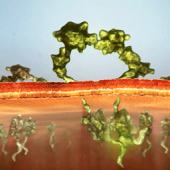
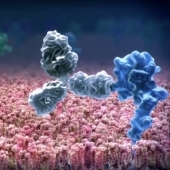
Genentech was the first biotechnology company to scale up protein manufacturing successfully from the small quantities used for research to the much larger quantities needed for clinical trials and marketing. Today Genentech is a world leader in biologics manufacturing, with more FDA-approved manufacturing capacity for the production of biotech medicines than any other company. Over the last two decades, Genentech has built world-class production facilities, developed expertise in commercially viable manufacturing processes, and also attracted and retained key personnel with experience in all aspects of large-scale biologics manufacturing. Genentech's manufacturing expertise, capacity (approximately 330,000 liters of installed cell culture fermentation capacity), and portfolio of capacity enhancement projects position the company well to meet the internally forecasted demands for our products. Our dedication to world-class biologics manufacturing and our careful planning for the future will assist us in continuing to deliver innovative therapies to patients with serious and life-threatening diseases. A Brief Overview of Biologics Manufacturing Biotechnology's unique approach to making medicines is to use proteins rather than the chemicals of traditional pharmaceuticals as drugs. Living cells either bacteria or more complex mammalian cells serve as mini-factories that can manufacture the appropriate proteins. Because biotechnology companies make complex molecules for human use, we need to monitor, control and document all aspects of the complicated process the raw materials, environment, utilities, equipment, and procedures to ensure we make safe, active and consistent product. The first step in manufacturing a protein or antibody is to genetically engineer a cell so that it produces the desired product. This requires introducing the genetic information DNA that provides the cell with the instructions it needs to produce the protein or antibody. Once a cell has been engineered to express the product of interest, it is used to establish a cell line, i.e. thousands of copies of this original cell. This cell line is then frozen and stored for use in the manufacturing process. To begin the production cycle, a small vial of cells is thawed and allowed to grow in culture for several days. Once the cells have undergone several rounds of replication, they are transferred to a larger container where they are prepared to undergo fermentation. The substance or "media" in which the cells are grown and the specific growth parameters for the production cycle may have a significant impact on the production process. When the cells grow to sufficient numbers, they are transferred to large-scale production tanks and grown for about another two weeks. At this point in the process, the protein or antibody can be harvested. The cells are engineered to secrete the protein or antibody into the cell culture media, so the first step in the purification process is to separate the cells from the media. The media is then subjected to several additional purification steps that remove any cellular debris, unwanted proteins, salts, minerals or other undesirable elements. At the end of the purification process, the product is suitable for human use. The bulk product is then processed into its final formulation and delivered to physicians, hospitals and pharmacies around the world. To ensure the safety and purity of its products, Genentech controls all aspects of the manufacturing process, from the water that is used to wash the production tanks to the air that circulates within the manufacturing facility. In order to monitor and control the production environment, water and air samples are routinely tested for the presence of viable microorganisms and non-viable particulates, and samples of the product are taken at multiple steps throughout the manufacturing process. FDA Licensure for the Manufacture of Biotherapeutics The U.S. Food and Drug Administration (FDA) approval of a Biologics License Application for the manufacture and sale of a biotherapeutic is based on a determination that the manufacturing facility (or facilities) and the process by which the biotherapeutic is manufactured meet the stated requirements. The pre-approval inspection of the manufacturing facilities determines whether the manufacturer is operating in a state of control and in compliance with the applicable laws and regulations. The evidence required to support approval is based on data from non-clinical and clinical studies demonstrating the safety, purity and potency of the biotherapeutic. Included in the application are a full description of manufacturing methods and process controls; data establishing stability of the product through the expiration date; a description and the results of all the analytical testing performed on the qualification lots of product; examples of the final product packaging; and the address of each location involved in the manufacture of the biotherapeutic. Balancing Demand with Capacity At Genentech, the development of world-class manufacturing processes is as important as the research and clinical development aspects of creating novel products that improve and extend the lives of patients. The company aligns demand with capacity through a range of strategies, including constructing new facilities and acquiring manufacturing plants as well as increasing output from existing Genentech facilities through the improvement of titer and process yields, run rates and success rates. In addition, Genentech works with contract manufacturing organizations and collaborators. The timeline for building a production-ready manufacturing facility is four to six years. Biotech manufacturing facilities are highly specialized and expensive, with costs ranging from $200 million to $800 million. Due to the significant long-term financial investment, companies need to plan years ahead and make strategic investment decisions before they know which experimental drugs will succeed. Genentech has years of experience in anticipating potential capacity needs and designs its multi-product facilities to provide the flexibility necessary to operate in a dynamic market environment. Genentech's Biotech Bulk Manufacturing Facilities Genentech's original manufacturing facility in South San Francisco, California, was approved by the FDA in 1985, and the first product manufactured at the facility was growth hormone. In the mid-1990s, as the demand for Genentech's products was expanding, the company acquired a 100-acre site in Vacaville, California, to provide additional manufacturing capacity. The Vacaville facility received FDA approval in 2000, expanding Genentech's installed capacity by 144,000 liters. In April 2004, the company announced an expansion of the Vacaville site. When completed, the new facility will be configured with eight additional 25,000-liter fermentation tanks and, when combined with our existing facility, will be the largest biotechnology cell culture manufacturing site of its kind in the world. The new facility is expected to gain FDA approval by the end of 2009. Genentech's acquisition and renovation of an existing manufacturing facility in Porriño, Spain, in 2000 further expanded the company's base of manufacturing capacity. The Porriño facility produced its first lot of Avastin® (bevacizumab) bulk drug substance for clinical use in mid-2004. In October 2005, Genentech received FDA approval for Porriño as a commercial production site of Avastin. The acquisition of an Oceanside, California biologics manufacturing facility in June 2005 added several hundred highly trained, talented employees as well as 90,000 liters to our cell culture capacity. The facility received FDA licensure in April 2007. In December 2006, Genentech and Lonza finalized an agreement with Lonza for Lonza to purchase the Porriño facility and to continue to produce Avastin for Genentech under a supply agreement. Concurrently, Genentech entered into a supply agreement with Lonza for the manufacture of certain Genentech products at Lonza's facility currently under construction in Singapore, with the right to exercise an exclusive option to purchase the facility between 2007 and 2012. In March 2006, Genentech announced the purchase of property in Hillsboro, Oregon, for the construction and development of a fill/finish facility. Construction is progressing at the location for a fill/finish facility as well as a warehouse and distribution center. In March 2007, Genentech announced a land-lease agreement in Singapore for the construction and development of a 1,000-liter E.coli manufacturing facility which will be dedicated to the bulk drug production of Lucentis® (ranibizumab injection). Genentech's product pipeline is among the strongest in the biotechnology and pharmaceutical industries, and demand for our marketed products continues to grow. We continue to evaluate the expected short- and long-term product demand and assess manufacturing plans and capacity to meet the demand.

Genentech facilities have approximately 330,000 liters of active capacity today, not including capacity from contract manufacturers. When the expansion in Vacaville is completed in 2009, the company anticipates having 530,000 liters of capacity. Should Genentech exercise its option to purchase the facility in Singapore between 2007 and 2012, the company anticipates having 610,000 liters of capacity. July 2007 |